 Jen HoldenLicense ID:639966
- +1(443) 803-7620 jen@thejenholdengroup.com
Annapolis vs Kent Island, MD: Living on Either Side of the Bay Bridge

Updated on: October 27, 2026
Annapolis and Kent Island are Chesapeake Bay waterfront areas joined by the Bay Bridge. Annapolis is the state capital on the western shore; Kent Island is on the Eastern Shore side of the bridge. Both offer water access, fresh seafood and a strong maritime heritage for Maryland homebuyers looking for a coastal lifestyle, but each is a different type of community to call home.
Key takeaway
Annapolis offers a walkable historic city and a western-shore commute with no bridge, at higher prices per square foot. Kent Island offers more house and land and water-oriented subdivisions, but the Bay Bridge, with its toll, summer traffic and wind restrictions, shapes every trip west. Compare the county tax rates and check the flood zone before choosing a side.
Who this guide is for
Buyers and renters deciding whether to live in Annapolis or on Kent Island.
Annapolis vs Kent Island at a glance
- Queen Anne's County property tax: $0.800 per $100, FY2027.
- Homestead caps: 2% Anne Arundel, 10% Annapolis, 5% Queen Anne's.
- Schools: Anne Arundel County vs Queen Anne's County Public Schools.
- Federally backed loans in flood hazard areas require flood insurance.
- Bridge traffic can be stopped at sustained winds over 55 mph.
Where Annapolis and Kent Island are: map and the Bay Bridge
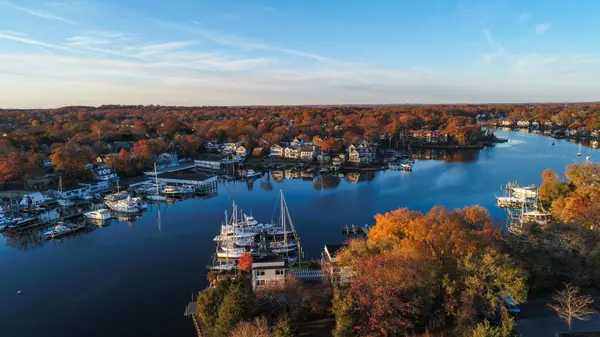
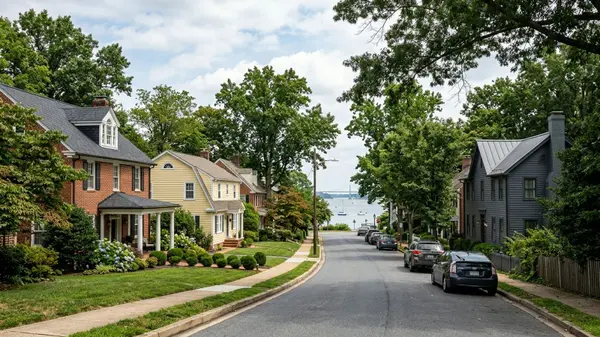
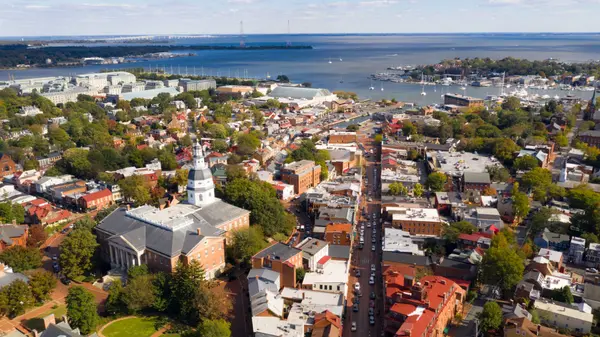
Picture the bay running north to south. Downtown Annapolis sits on the western shore where the Severn River meets the bay. A few miles northeast, the Bay Bridge carries US 50/301 east across the water and lands on Kent Island, the first stop on the Eastern Shore side. On the island's far side, Kent Narrows is the channel that separates it from the mainland Eastern Shore.
Kent Island is in Queen Anne's County, not Kent County. Stevensville and Chester are the two main towns on the island itself. Kent Narrows is a fishing and marina community that sits partly on the island at the strait. Grasonville and Centreville are across the Narrows on the mainland, and Centreville is the county seat, where residents go for county offices.
The drive from downtown Annapolis to Stevensville is about 14 to 15 miles, roughly 20 to 23 minutes across the bridge in normal traffic. For a scouting trip, lodging clusters in downtown Annapolis and around Kent Narrows, so either makes a base for touring both sides.
Lifestyle and vibe on both sides of the bridge
The historic charm of Annapolis
Living in Annapolis means embracing an active, walkable lifestyle with amenities right outside your door. Residents enjoy immediate access to historic pubs, boutique shops, and the United States Naval Academy campus.
Annapolis is a major sailing hub, and boating drives the local calendar. From Wednesday night sailboat races to yacht shows and festivals, life in town revolves around the harbor.
The relaxed pace of Kent Island
Kent Island's commercial development is concentrated along the Route 50 corridor, leaving the rest of the island to quiet residential neighborhoods and scenic shorelines. The area is known for its expansive marinas, popular dock bars, and miles of paved trails like the Cross Island Trail. Kent Narrows holds the area's main cluster of waterfront seafood restaurants.
You will need a car to get to the grocery store or the local pharmacy. In return, large yards, private docks and privacy take priority over walkability.
Real estate markets and housing costs
Property values in Annapolis carry a premium for the city's historic status, walkability and proximity to western-shore employment centers, so living on Kent Island is generally less expensive per square foot. Annapolis home prices feed directly into the overall cost of living in Annapolis.
In Kent Island's inland neighborhoods, the price of a historic Annapolis townhome can buy a larger single-family home with a garage and a yard. Still, a fair comparison adds in the recurring bridge toll, flood insurance on low-lying lots and the cost of a car-dependent routine.
Prices move month to month, so check current Annapolis housing market trends and the average home cost in Annapolis against recent Kent Island sales before setting a budget.
What to expect in Annapolis
The Annapolis housing inventory is diverse, ranging from multi-million dollar waterfront estates to compact colonial townhomes. Buyers looking in the central neighborhoods should be prepared for smaller footprints and street parking.
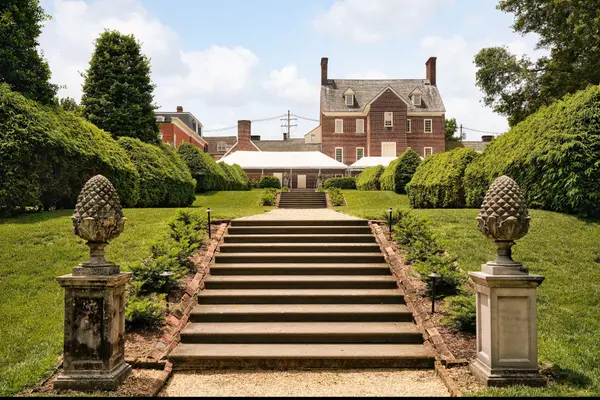
Many downtown homes sit inside the Annapolis local historic district, which preserves the city's character but limits exterior work. The Annapolis Historic Preservation Commission must issue a Certificate of Approval before any exterior change to a structure in the district. Before closing, confirm whether the home is inside the district and whether the changes you plan, such as windows, siding or an addition, are likely to be approved, since work done without approval can be stopped or reversed.
Outside the historic district, Eastport and Annapolis Neck mix mid-century ranches with newer construction, offering slightly more space within a short bike ride of downtown.
Finding value on Kent Island
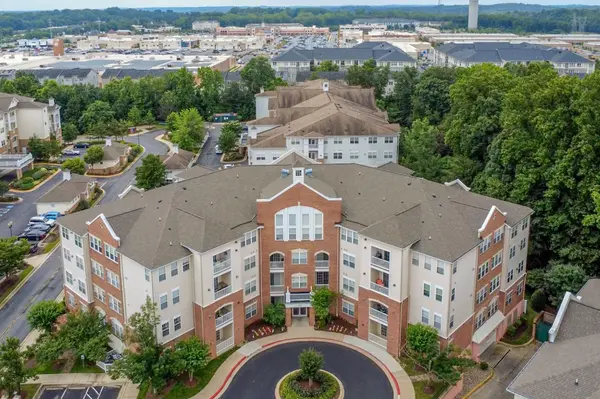
The housing stock on Kent Island leans toward single-family homes in established, water-oriented subdivisions. Communities like Chester and Stevensville feature a mix of coastal cottages, split-level homes, and large modern builds. Many of these neighborhoods include homeowner association amenities such as community piers, private boat ramps, beaches, kayak launches and clubhouses.
Luxury buyers will find waterfront properties along the Chester River and the Eastern Bay. These homes often feature deep-water docks, private pools, and sunset views over the water. Even with recent appreciation, the price point for a premium waterfront property here is often lower than a comparable home in Annapolis.
Property taxes, income taxes and schools by county
Anne Arundel County sets its own real property tax rate, and homes inside Annapolis city limits pay a City of Annapolis rate on top of it. An Annapolis mailing address does not mean a home is inside city limits, so confirm the exact address on the county and city tax pages before estimating a bill.
Queen Anne's County charges $0.800 per $100 of assessed value for the fiscal year July 1, 2026 to June 30, 2027, down from $0.830. Stevensville, Chester and Kent Narrows are unincorporated, so no town tax is added; the county's separate town rates apply only to Centreville and Millington. Properties in the Kent Narrows Commercial Management and Waterfront Improvement District pay a supplemental $0.06 on top of the county rate. On a home assessed at $400,000, that works out to $3,200 a year at the county rate, or $3,440 inside the Kent Narrows district.
Each county also adds a local income tax to your Maryland return. Queen Anne's charges 3.20% of Maryland taxable income for tax year 2026. Anne Arundel uses graduated brackets, reported at about 2.70%, 2.94% and 3.20% depending on income.
For owner-occupants, the Homestead Tax Credit limits how fast the taxable assessment can rise each year. Anne Arundel caps growth at 2% for the county share, one of the lowest caps in Maryland, and the City of Annapolis caps its share at 10%. Queen Anne's caps growth at 5% for fiscal years 2025 through 2027. Ask for the seller's most recent bill to see how Annapolis property taxes are assessed and billed on that specific home.
Confirm the assigned school for a specific address with Anne Arundel County Public Schools or Queen Anne's County Public Schools, including any school options in Annapolis beyond the zoned school.
Commuting and daily convenience
Route 50 is the main artery for both areas. Daily commute times to Washington, DC, and Baltimore vary by hour and starting point, so compare them at the hours you would travel.
The Chesapeake Bay Bridge is a well-known chokepoint, especially in summer when beachgoers head to Ocean City. Living on the eastern side means occasionally dealing with severe backups from wind restrictions or accidents. Regular crossers check live bridge conditions and scheduled lane closures on the Maryland Transportation Authority's Bay Bridge site before leaving and shift travel times to avoid peak hours.
Living west of the bridge
Commutes from Annapolis to downtown Baltimore or Washington, DC, need no bridge crossing, which makes the city a practical choice for hybrid workers who visit the office a few times a week. Annapolis also offers immediate access to major medical centers, large shopping malls, and diverse grocery options, so a bridge closure never stands between you and a specialist or a major retail hub.
Living east of the bridge
Choosing Kent Island means accepting the Bay Bridge as a regular part of your life, and its toll as a recurring cost. Before you buy, check MDTA's current car toll with E-ZPass Maryland and without it, which direction it is collected in, and whether a frequent-crosser plan fits your schedule. Multiply the per-crossing cost by your weekly trips: a hybrid worker crossing three days a week makes about 150 round trips a year, and a daily commuter about 250.
Despite the bridge, daily life on the island is self-sufficient. Kent Island has excellent grocery stores, hardware shops, and plenty of medical offices to handle routine needs. You only need to cross the bridge for major specialty shopping, significant medical procedures, or specific mainland events.
Flood risk and waterfront rules on both shores
Low-lying waterfront and near-water homes on both sides of the bridge can sit in flood zones, and that affects both insurance and what you can build.
- Check the flood zone: Look up the exact address's FEMA flood zone designation before making an offer.
- Know when insurance is required: If the home is in a FEMA Special Flood Hazard Area and the community participates in the National Flood Insurance Program, federally regulated lenders and federally backed loans (FHA, VA, USDA, or conventional loans sold to Fannie Mae or Freddie Mac) must require flood insurance. Coverage must be at least the loan balance or the maximum NFIP coverage, whichever is less. Get a quote during the inspection period, because the premium can change your monthly cost.
- Expect tidal flooding downtown: NOAA tide data show Annapolis regularly exceeds its nuisance flood threshold, with City Dock the most affected area; the city passed that threshold on 63 days in 2017. Routine high tides can put the City Dock boardwalk underwater and flood Compromise Street.
- Plan around the Critical Area: State law makes the land within 1,000 feet of tidal water a Critical Area, with a shoreline buffer of at least 100 feet, or 200 feet for qualifying newer subdivisions in Resource Conservation Areas. Construction, grading and clearing in the buffer are restricted, trees generally cannot be removed unless dead, dying, diseased or hazardous, and additions, pools or piers may need permits or variances. Anne Arundel and Queen Anne's apply the same rules through their own programs, so buyers planning to expand should check before buying.
Ask the seller about past flooding, though seller disclosure requirements in Annapolis do not replace your own flood zone check.
Frequently asked questions
Can you get from Kent Island to Annapolis without crossing the Bay Bridge?
No ferry runs between Kent Island and Annapolis; the last area ferry ended by 1954, soon after the bridge opened in 1952. The only road alternative is US 301 north through Centreville and Middletown to I-95 near the Delaware line and back around, which one traffic source estimates adds roughly 30 miles.
Is there a commuter bus from Kent Island to Annapolis or Washington, DC?
Yes. MDOT MTA commuter buses leave from the Kent Island (Kent Narrows) Park & Ride under US 50 at Exit 41 and the Stevensville Park & Ride near MD 8 and US 50, both with free parking. Route 210 runs Kent Island and Annapolis to Baltimore, and Routes 240 and 250 run to Washington, DC, Monday through Friday. The bus still crosses the bridge, so the same traffic delays apply.
Does the Bay Bridge close in high winds?
MDTA issues wind warnings at sustained winds of 30 to 39 mph, bans house trailers and empty box trailers at 40 to 49 mph, and allows only cars, pickups, flatbeds, commercial buses and heavy-laden tractor-trailers above 50 mph. Above 55 mph sustained, all traffic can be held. Decisions follow real-time conditions, not forecasts, so a Kent Island resident with a fixed shift should keep a remote-work or later-arrival plan ready for stormy days.
Sources
- Queen Anne's County, Maryland (Wikipedia)
- Queen Anne's County: County's Tax Rates
- Maryland Department of Legislative Services: 2026 County Local Tax Rates
- Anne Arundel County: FY27 Property Tax Bill Information
- NOAA: Severn River at Annapolis water levels
- Anne Arundel County: Critical Area
- Maryland Route 8 (Wikipedia)
- Queen Anne's County: Commuter Options
Categories
Recent Posts